September 1, 2026
Installing a new fence is a significant investment that requires careful consideration. A well-chosen fence can enhance the privacy, security, and aesthetic appeal of your property. However, several critical factors need to be evaluated to ensure the success of your fencing project. Working alongside a licensed fence contractor helps guarantee that every phase—from legal stipulations to material choices—is handled professionally. Thorough planning will not only help avoid pitfalls but also ensure a seamless installation process.
Understanding Property Lines and Legal Restrictions
Researching Property Boundaries
Before embarking on installing a new fence, understanding your property's boundaries is crucial. Misjudgments here can lead to disputes with neighbors or even legal repercussions. Hiring a qualified fence contractor often starts with reviewing a recent survey of your property to ascertain exact lines. This knowledge prevents incidences of encroachment and ensures that your fence is legally compliant. Moreover, respecting property lines cultivates goodwill with neighbors, fostering a harmonious community.
Consulting with Local Authorities
Engaging with local authorities before installation provides clarity on any regulations or restrictions. Different locales might have specific guidelines about the types of fences that are permissible. Regulations can dictate factors like height, materials, and even color. Early consultation ensures that your plans align with these requirements, avoiding costly retrofits that may arise from non-compliance. This proactive approach saves time and mitigates potential legal challenges.
Analyzing Zoning Laws
Zoning laws play a significant role in guiding what can be erected on your property. These laws are essential as they maintain order and uniformity across neighborhoods. Fences are often subject to these regulations, which can dictate placement and design. An experienced fence contractor will review zoning codes relevant to your area to ensure full compliance. Failure to adhere to these laws could result in fines or the forced removal of your newly installed fence.
Selecting the Right Material
Weighing Wooden Fences
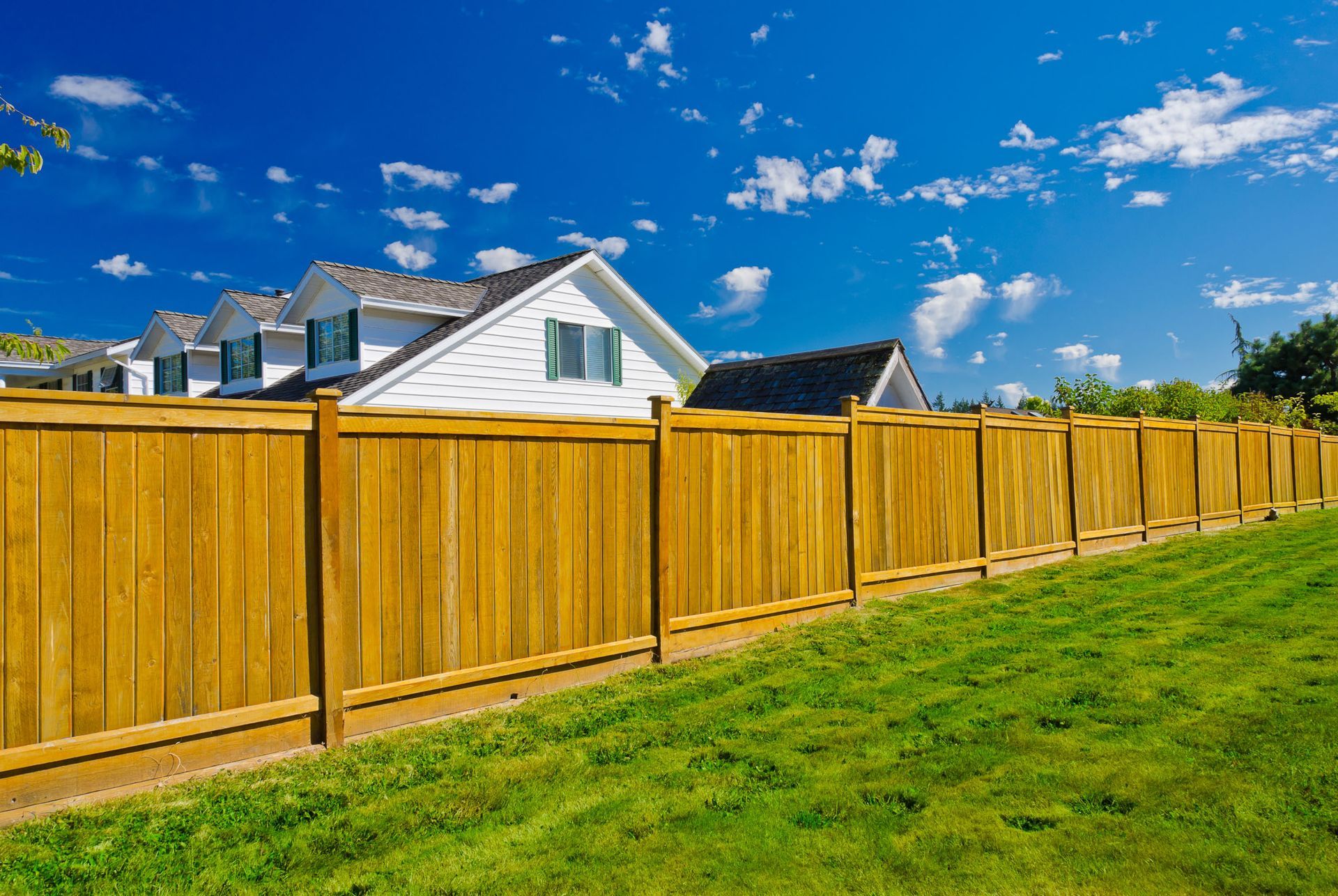
Wooden fences are a classic choice due to their natural appearance and versatile design options. They offer warmth and can be easily customized to suit various tastes and styles. However, wood is susceptible to damage from weather and pests. Regular maintenance, including treatments and finishes, is necessary to prolong its lifespan. Despite these maintenance needs, wooden fences remain popular for their aesthetic appeal and affordability.
Assessing Vinyl Fencing
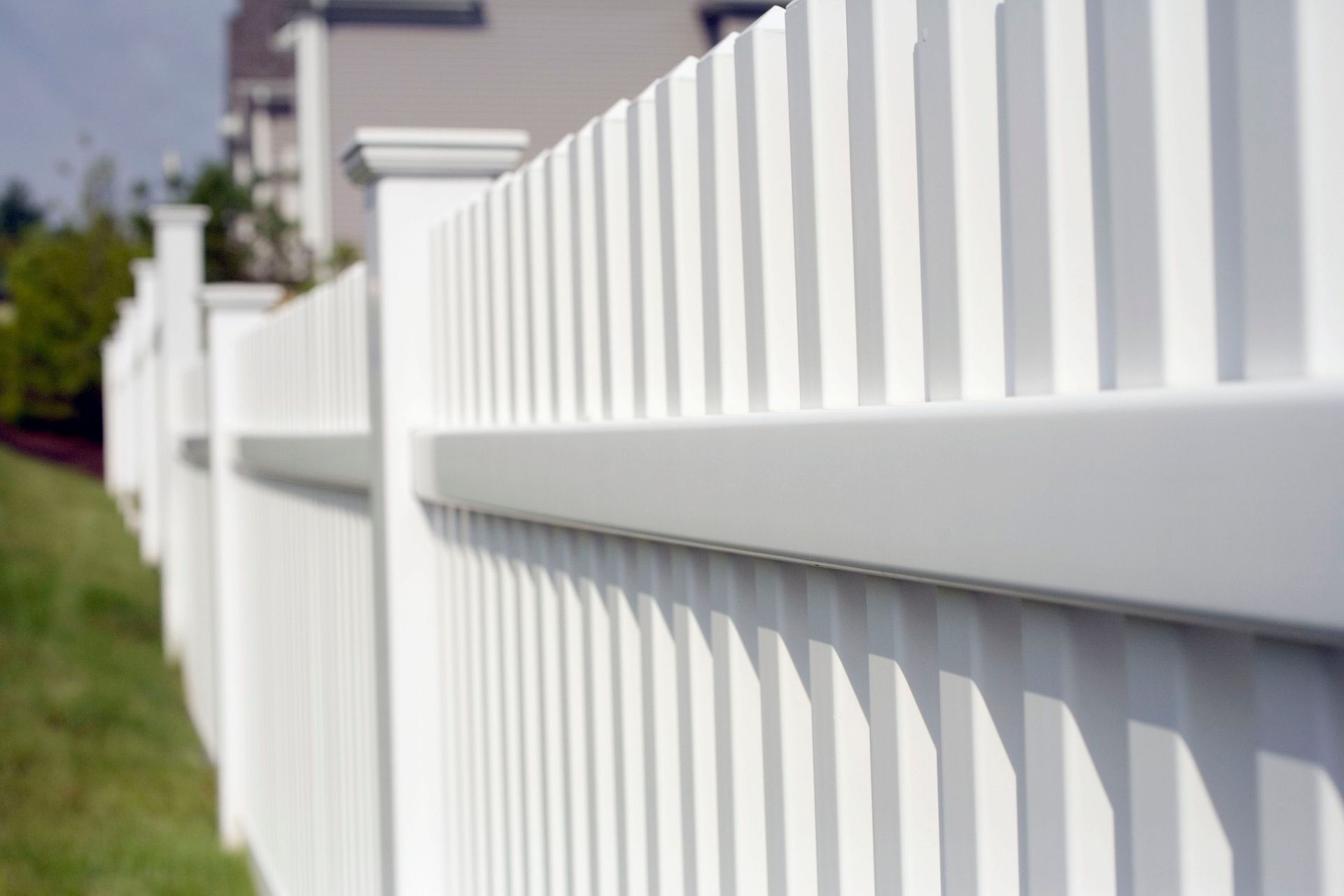
Vinyl fencing provides a modern alternative to traditional materials, favored for its durability. Resistant to weather, pests, and rot, vinyl requires minimal maintenance. It is available in a variety of styles and colors, making it a versatile choice for many homeowners. While the initial cost might be higher, its long lifespan and low upkeep expenses can offer savings over time. For those prioritizing durability and aesthetics, consulting a fence contractor about vinyl is an excellent option.
Evaluating Metal Fencing
Metal fences, including wrought iron and aluminum, are known for their strength and longevity. They provide a high level of security and can withstand harsh weather conditions. Although they require some maintenance to prevent rust, aluminum is a low-maintenance option. The design flexibility of metal fences can range from ornate to simple, catering to varied tastes. Investing in metal fencing promises durability and a secure perimeter for your property.
Evaluating Privacy and Security Needs
Determining Privacy Requirements
Determining your privacy requirements is a vital aspect of selecting the right fence. Taller fences with minimal spacing between slats offer superior seclusion. Consider what you wish to shield from view, whether it's a backyard oasis or the interior of your home. Privacy fences can also serve as a sound barrier, reducing noise from neighbors or streets. Balancing your need for privacy with architectural style ensures harmony with surrounding properties.
Considering Security Features
Security is often a top consideration when installing a fence. Features such as height, material strength, and locking gates can enhance your property's safety. Metal and vinyl fences are typically more secure than wood due to their robustness. Additionally, integrating surveillance technology or motion-activated lights can augment the security offered by your fence. A knowledgeable fence contractor can help incorporate these features to deter unauthorized access and bolster peace of mind.
Checking Height Recommendations
The height of your fence is a crucial element that affects both privacy and security. For optimal privacy, fences are often recommended to be at least six feet tall. Security-focused fences might prioritize height combined with an imposing material like wrought iron. It is essential to verify with local regulations, as some areas have imposed height restrictions. Aligning your fence's height with both personal needs and legal requirements avoids complications.
Navigating Installation and Maintenance Requirements
Managing Long-Term Maintenance
Understanding ongoing maintenance requirements is key to choosing the right fence. Wood fences, for example, demand regular staining or painting to prevent decay and preserve aesthetics. In contrast, vinyl or composite fences require minimal upkeep, making them attractive options for busy homeowners. Considering your willingness and available time for maintenance activities helps guide material choices. A low-maintenance option recommended by your fence contractor can provide convenience and reduce long-term costs associated with repairs.
Planning for Weather Conditions
Weather can affect both the installation process and longevity of your fence. According to This Old House, you should call 811 to check for utilities before starting your fence project. Additionally, projects should be scheduled during moderately warm, dry periods, ensuring suitable ground conditions. Extreme temperatures and heavy rainfall might delay timelines or compromise installation quality. Preparing for weather contingencies in advance minimizes disruptions and prolongs the fence's lifespan.
Applying Finishes and Treatments
Selecting appropriate finishes or treatments can significantly enhance your fence's appearance and durability. Protective sealants and stains for wood guard against moisture and insect damage, preserving the wood's natural appearance. For metal fences, rust-resistant coatings prolong the life of the materials. When choosing finishes, consider environmental factors such as sun exposure, precipitation, and proximity to water sources. Proper finishing ensures longevity and enhances the aesthetic appeal of your fence.
Calculating Cost and Budget Implications
Breaking Down Initial Expenses
Analyzing the initial financial outlay for your fence installation is a critical step. Primary costs include materials, labor, permits, and any preparatory work required. A professional fence contractor can provide a transparent quote comparing these expenses across different materials and styles to guide your budget management. Integrating these costs into your financial planning ensures a clear picture of the project's viability and helps avoid unexpected financial strain.
Estimating Long-Term Costs
Besides upfront expenses, consider the ongoing costs associated with maintaining your fence. Materials like wood may require frequent treatments and repairs, accumulating costs over time. Conversely, maintenance-free options like vinyl or composite demand less financial attention post-installation. Evaluating these long-term factors in conjunction with initial pricing enables a comprehensive understanding of financial commitments. Balancing initial and maintenance costs aligns with your long-term investment strategy.
Exploring Financing Options
Many homeowners explore financing options to manage the costs of fence installation. Loans, payment plans, or line-of-credit options can make the investment more manageable. Researching terms, interest rates, and potential tax implications provides clarity on the best financial approach. Assessing these options allows you to proceed with a project that aligns with economic capabilities. Financial planning can transform the fencing project from a financial burden to a long-term enhancement.
Installing a new fence involves many considerations, from legal requirements to choosing the right materials and assessing long-term needs. Partnering with a reliable fence contractor guarantees compliance, expert craftsmanship, and a stress-free transformation for your yard. By carefully evaluating each of these factors, homeowners can ensure that their new fencing solution is both functional and aesthetically pleasing, while adding value and security to their property.
Build the perfect perimeter for your home today by contacting American Fence Company Corp for a complimentary design consultation!